
Memory Weaver. Kanji naming craftsman. 5 names each month.
For nearly thirty years, I have kept records.
My health. My finances. My daily weight and blood pressure. The arc of a business I built from nothing. The quiet record of daily life.
Not because I am obsessive. Because I believe that to understand anything — including yourself — you must watch it honestly, over time, without looking away.
This habit of careful observation is, I think, the reason I can do what I do now.
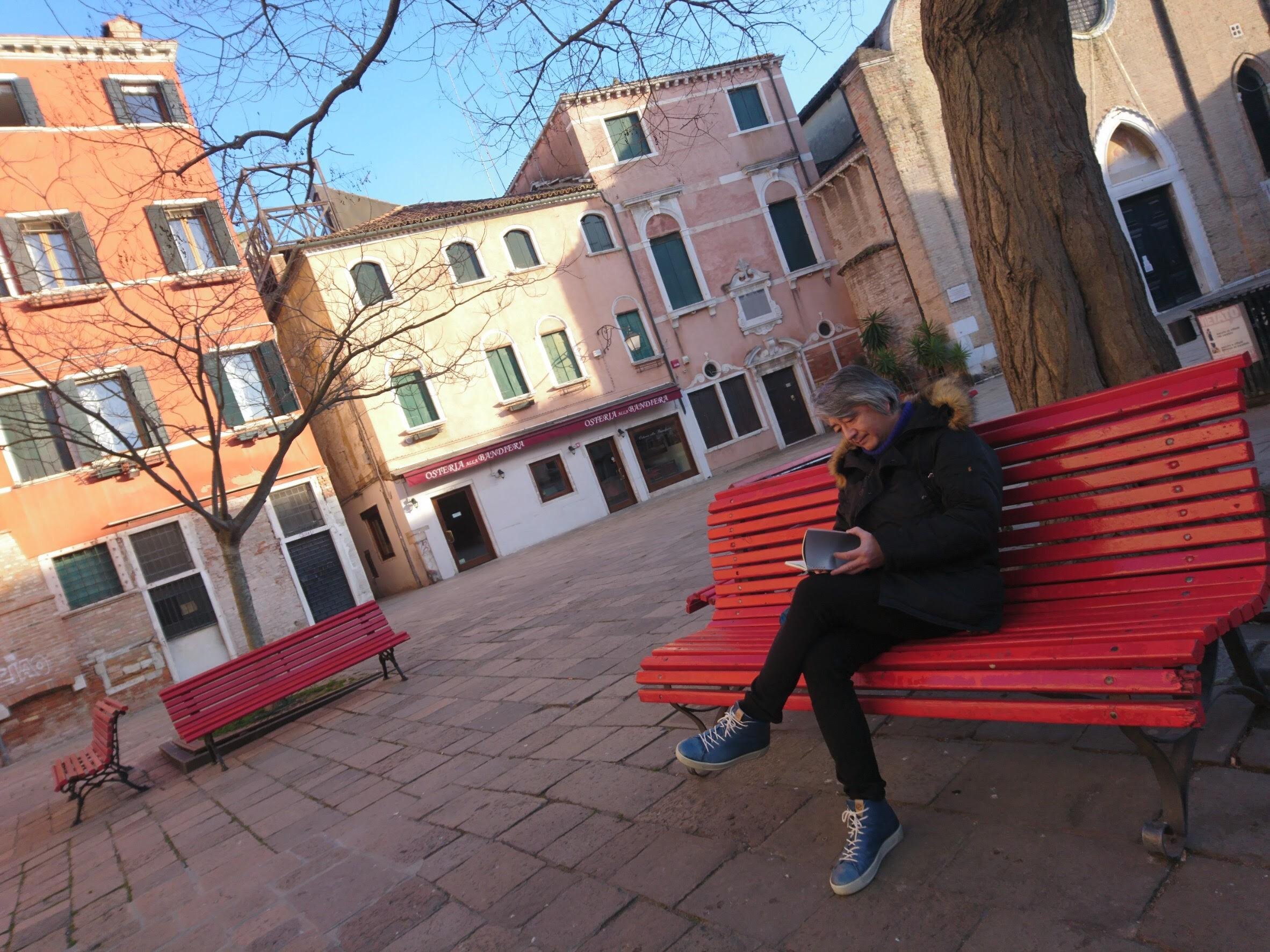
I was born in Kobe.
My father's work moved our family often. Osaka. Tokyo. Hiroshima. I attended five different elementary schools, two middle schools. Each time, I arrived somewhere new — a strange classroom, unfamiliar classmates, a different dialect — and learned, again, how to build a bridge between that place and myself.
In high school and university, I started moving on my own. A backpack, an open itinerary, Japan first, then the world.
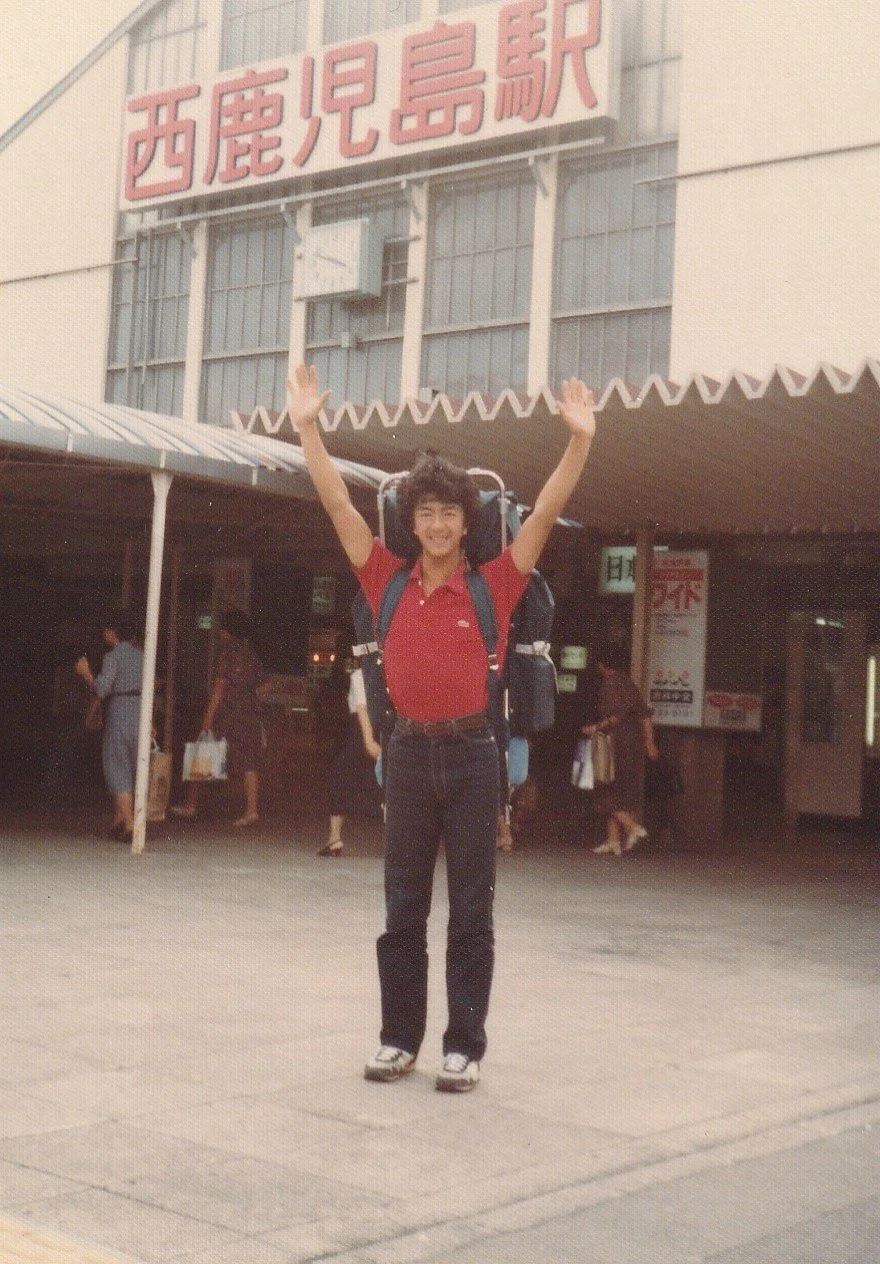
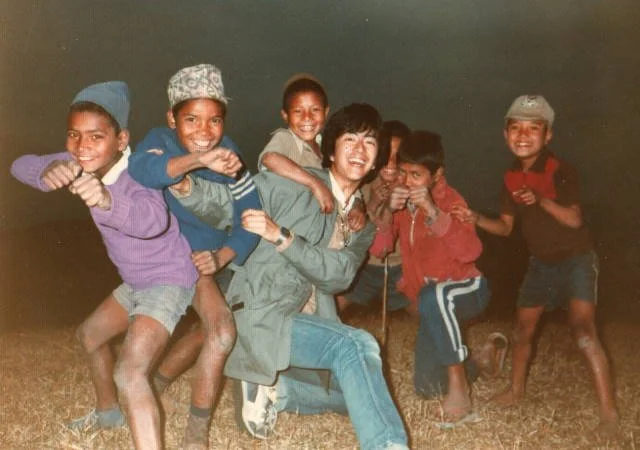
In 1992, I went to America.
I was working in marketing for a large Japanese food company, and I arrived just as the internet was beginning. I watched email change the way people talked to each other. I felt, in my body, what that meant.
My child was born there.
At Cornell, I used email for my master's thesis. What came back — the volume, the depth, the speed — was unlike anything I had seen. I knew, in that moment, that this could change the way companies listen to people.
When I came home, I knew exactly what I wanted to do next.
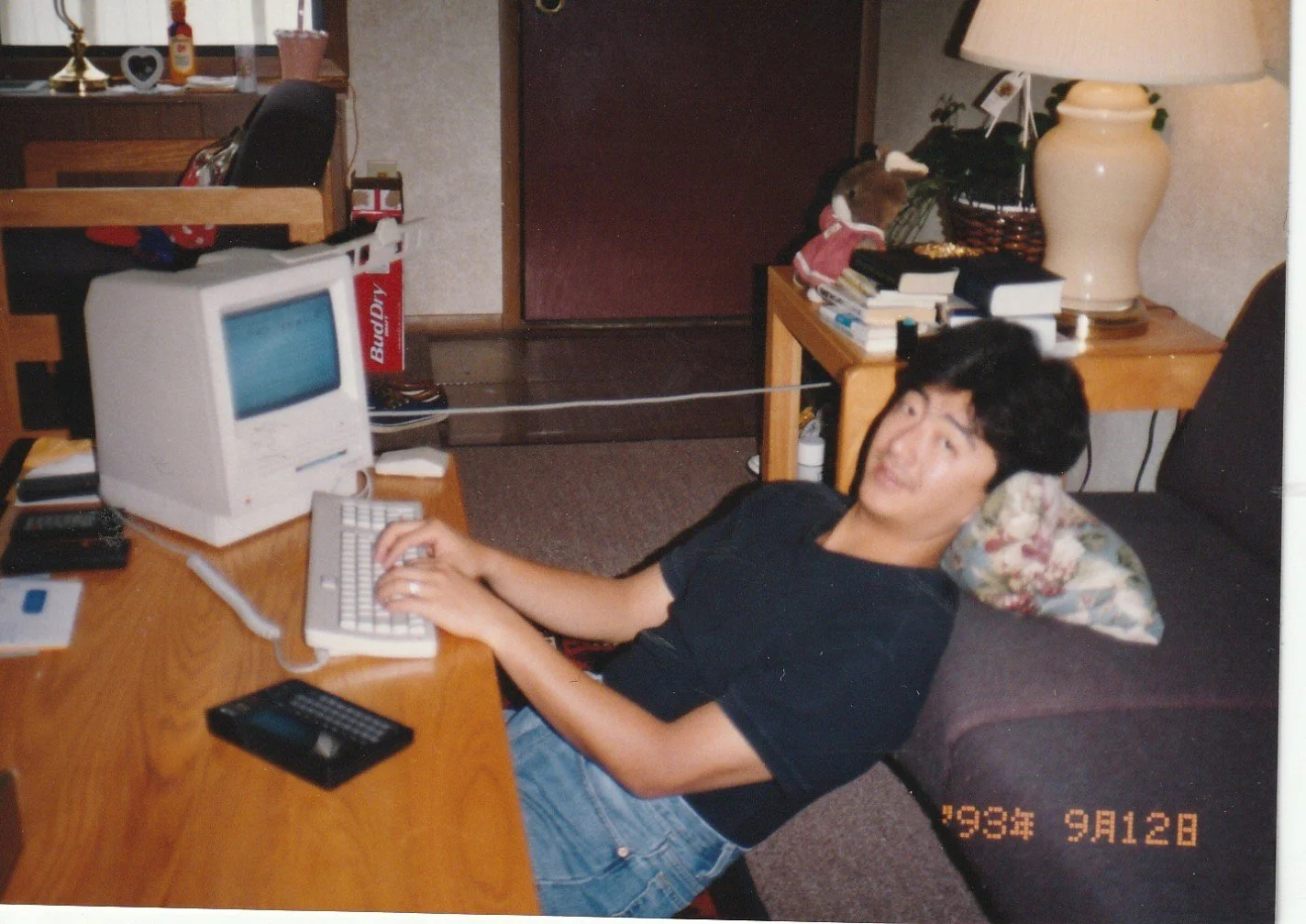
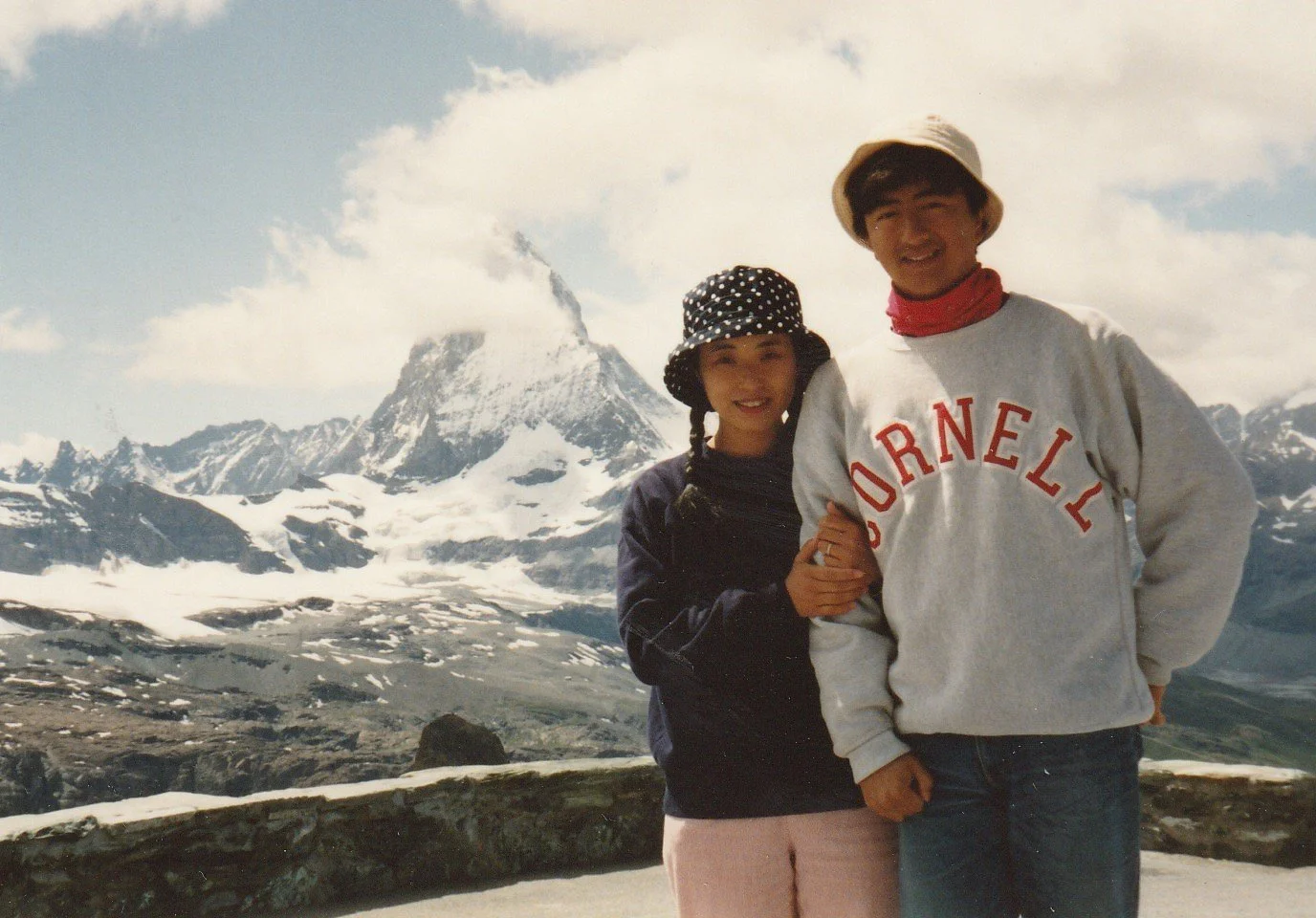
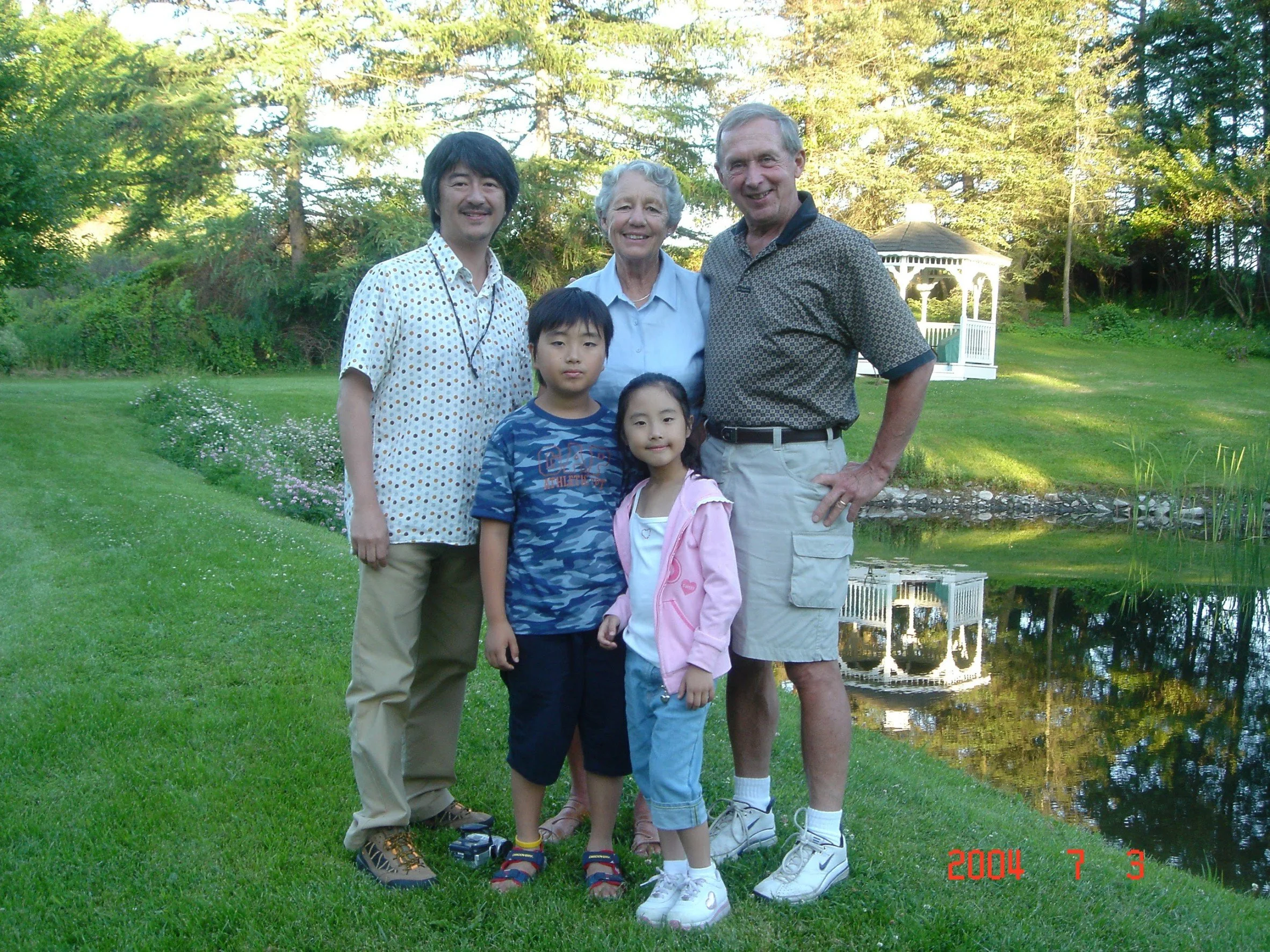
In 2001, I founded a company called Interest.
The work was this: I would sent emails to ordinary people and ask them to tell me about their lives. Not fill out a checkbox survey. Tell me. In their own words, at their own length.
What came back were stories. Paragraphs. Sometimes a page. The kind of thing a questionnaire never reaches.
For a major housing developer, I asked young working couples about their homes. One woman wrote: 'I don't need a balcony. When a sudden storm hits and I rush home from work, it's a disaster. What I actually want is an enclosed sunroom.' That one voice became the seed of a new product concept.
For an automotive company, I collected 'car histories' — the story of every vehicle a person had ever owned, and why. Read together, they formed a map of how people's lives and their relationship with cars moved in step.
The numbers told us what. The stories told us why.
For over two decades, I sat between corporations — food, beverage, electronics, automotive, entertainment, education — and the people they were trying to reach. My job was not to research those people. It was to learn from them.
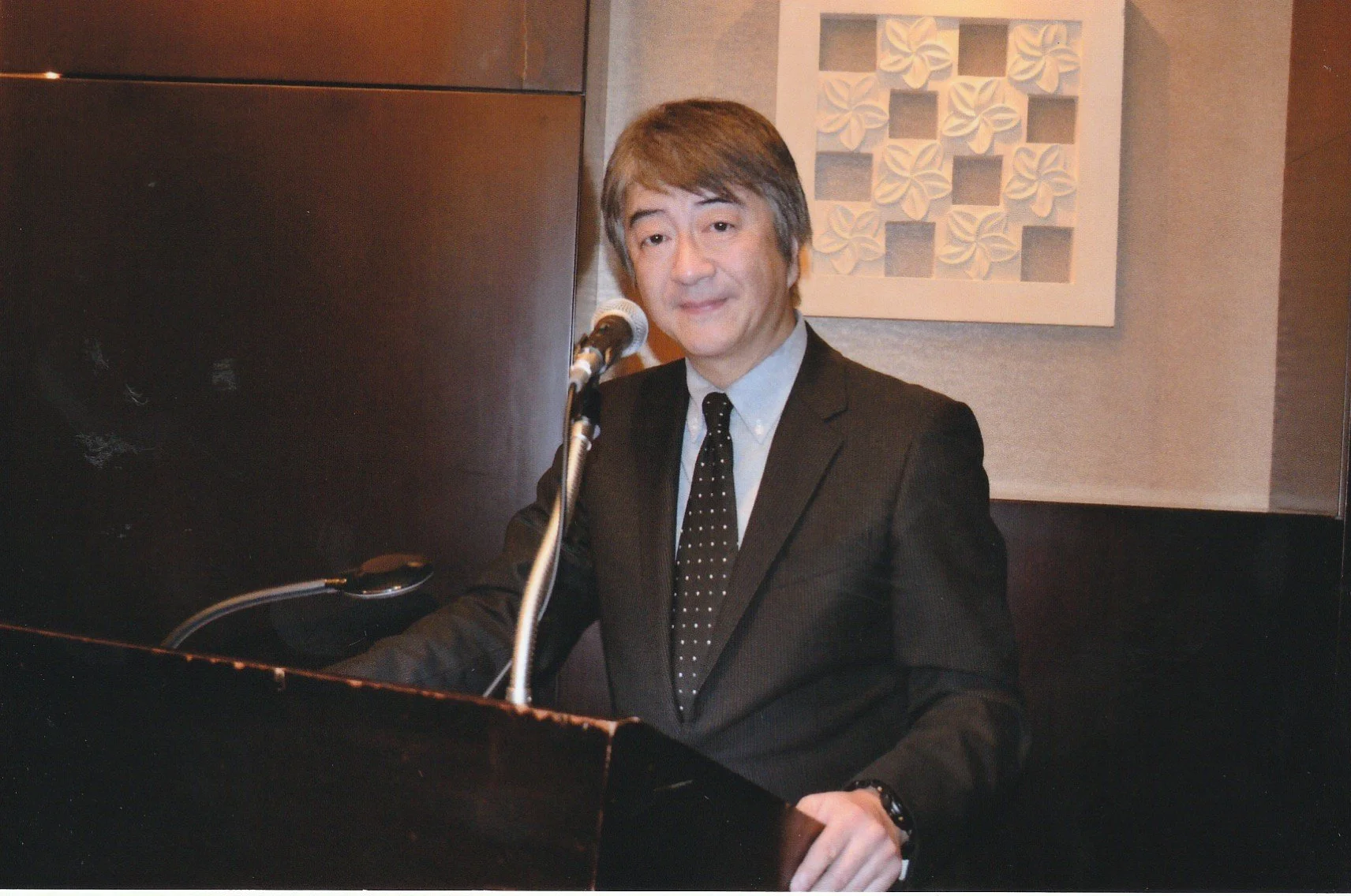
And then, one day, I looked at my own name.
樋口雅也. Masaya Higuchi.
樋 — a pipe that carries water. A conduit.
口 — a mouth, an entrance, a gateway.
雅 — graceful, proper, just right.
也 — an affirmation. A quiet, certain yes.
Together: You live your life properly and gracefully, acting as a gateway for all sorts of people and information.
It was not a revelation. It was a recognition.
The child who built bridges between new classrooms and himself. The backpacker crossing borders. The researcher who spent twenty years standing between companies and the people they couldn't quite hear. The company I named Interest — because interest comes from inter, meaning between, and est, meaning to be. Time exists between moments. Space exists between places. Human connection exists between people. What I had spent twenty years trying to find was always there, in the between.
My name had known this before I did.
This is what I do now.
I am a Memory Weaver.
I learn from you. And I weave your memories into kanji.
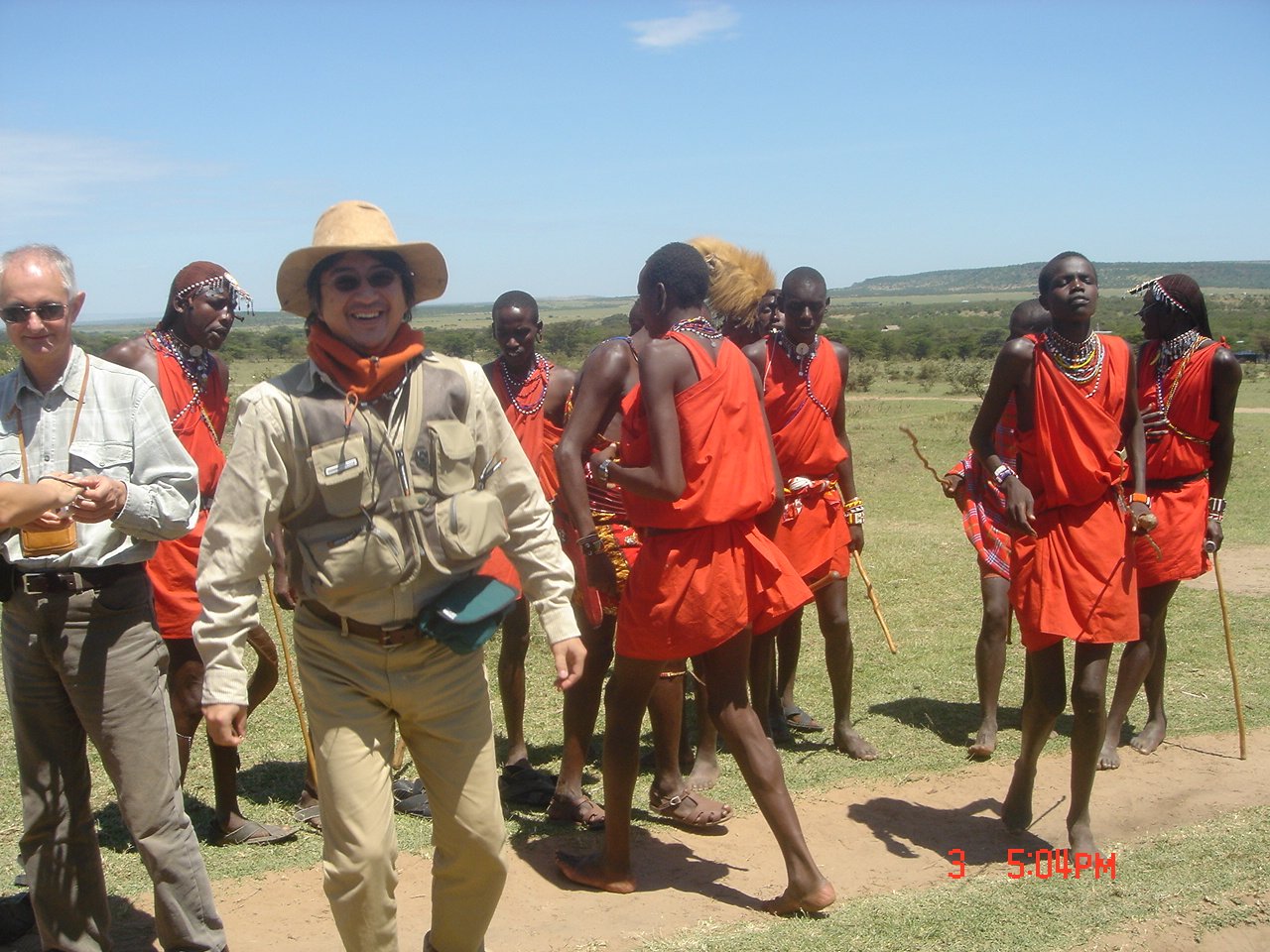
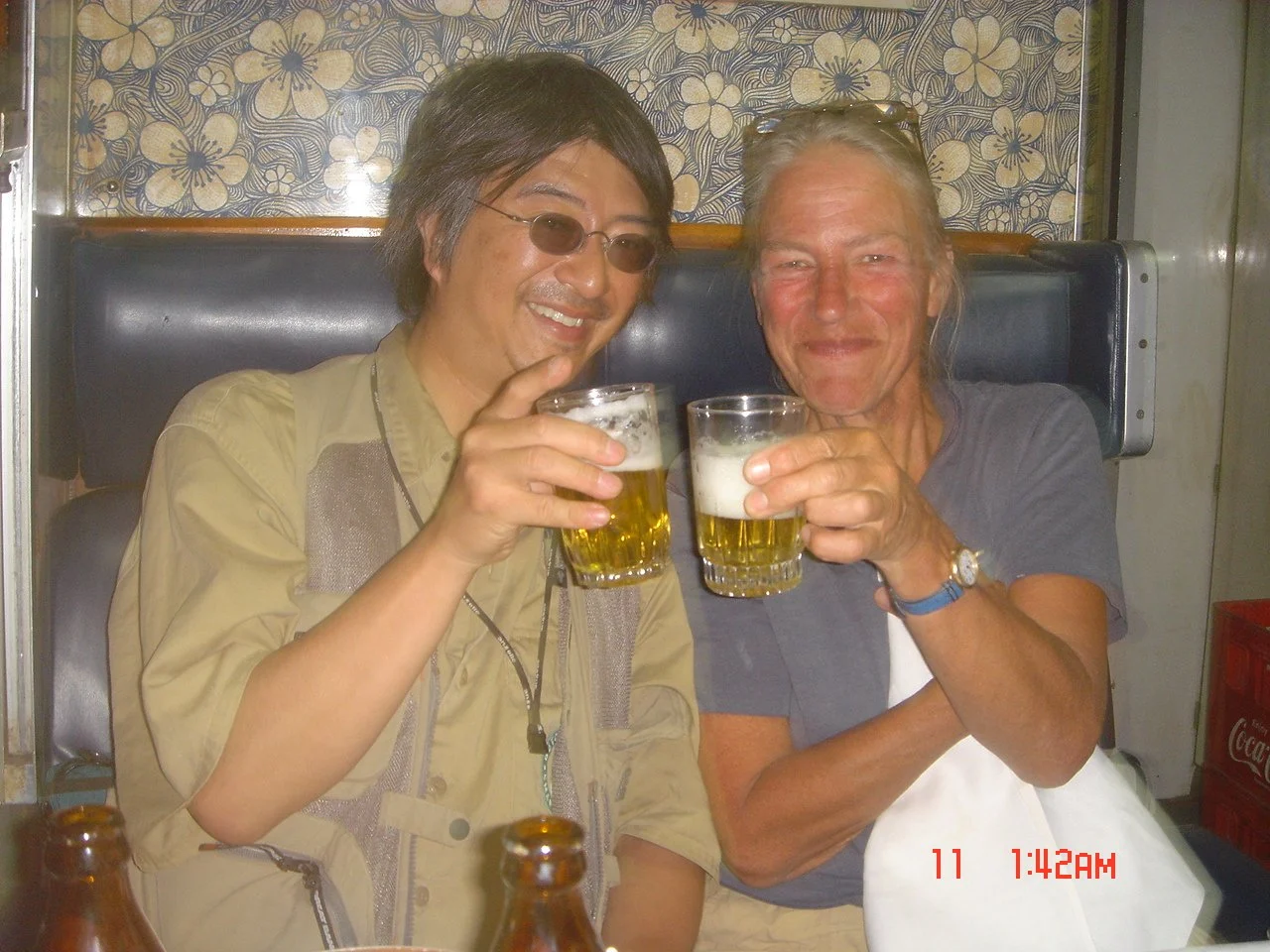
Now I give kanji names to people from around the world.
Not by matching sounds to characters. That is translation. This is something else.
I will ask you about your life. Your memories. What you love and what you've lost. What word you would use to describe yourself, if you had only one. What you are moving toward.
Then I sit quietly with what you've told me. I wait for the characters to arrive. Sometimes it takes several days.
When they come, I know — because they no longer feel like mine. They feel like yours.
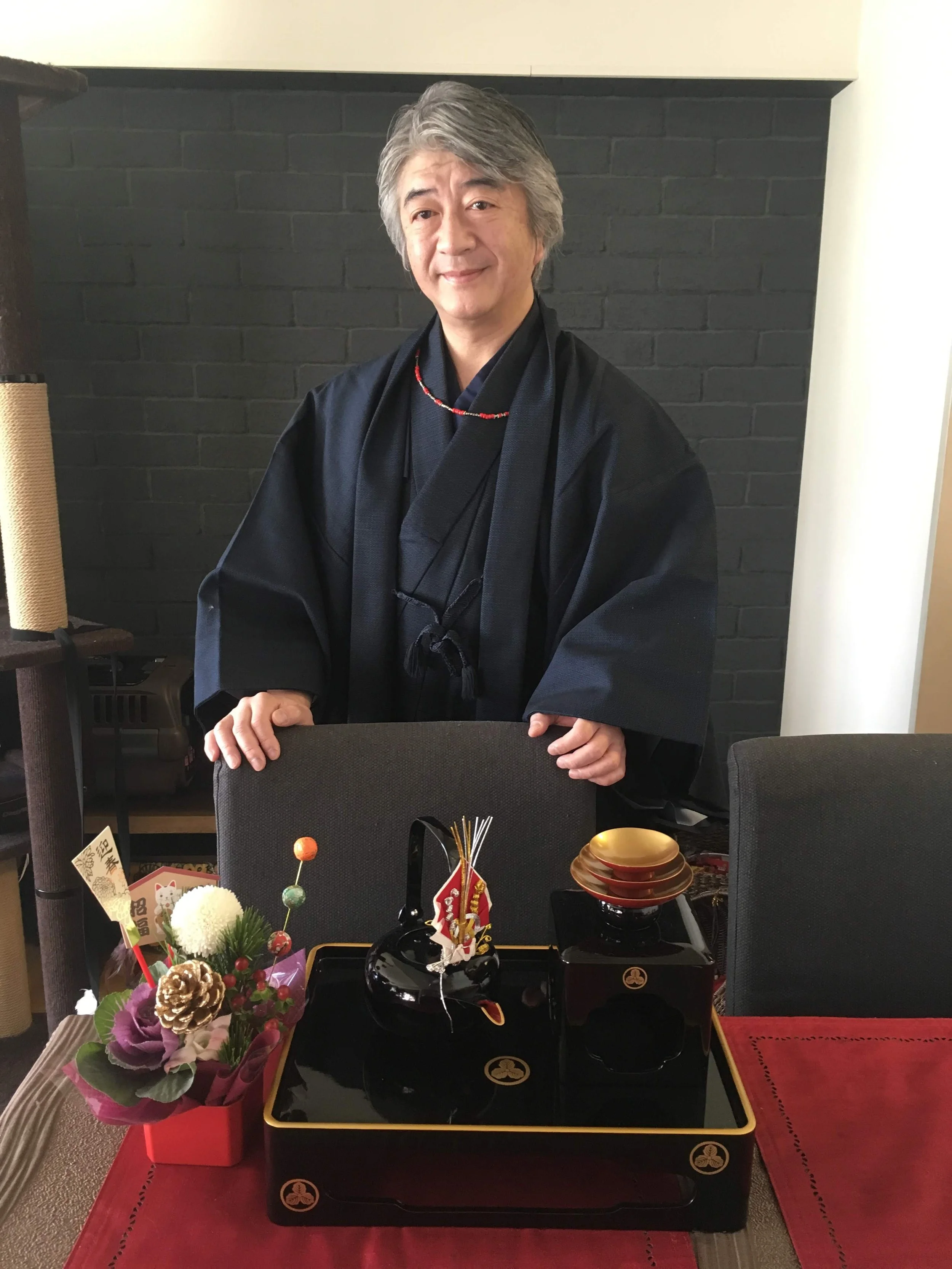
Why only five people each month.
A good craftsman does not rush.
Five is the number that lets me be fully present for each person. More than that, and I am no longer learning from you. I am processing you. Those are not the same thing.
If you write to me and I am full, I will ask you to wait. Some people wait months. They still come.
To reach me.
Explore further:
What is Kanji Naming? → Kanji Naming
Read stories from others → Stories
Questions or to apply → Contact
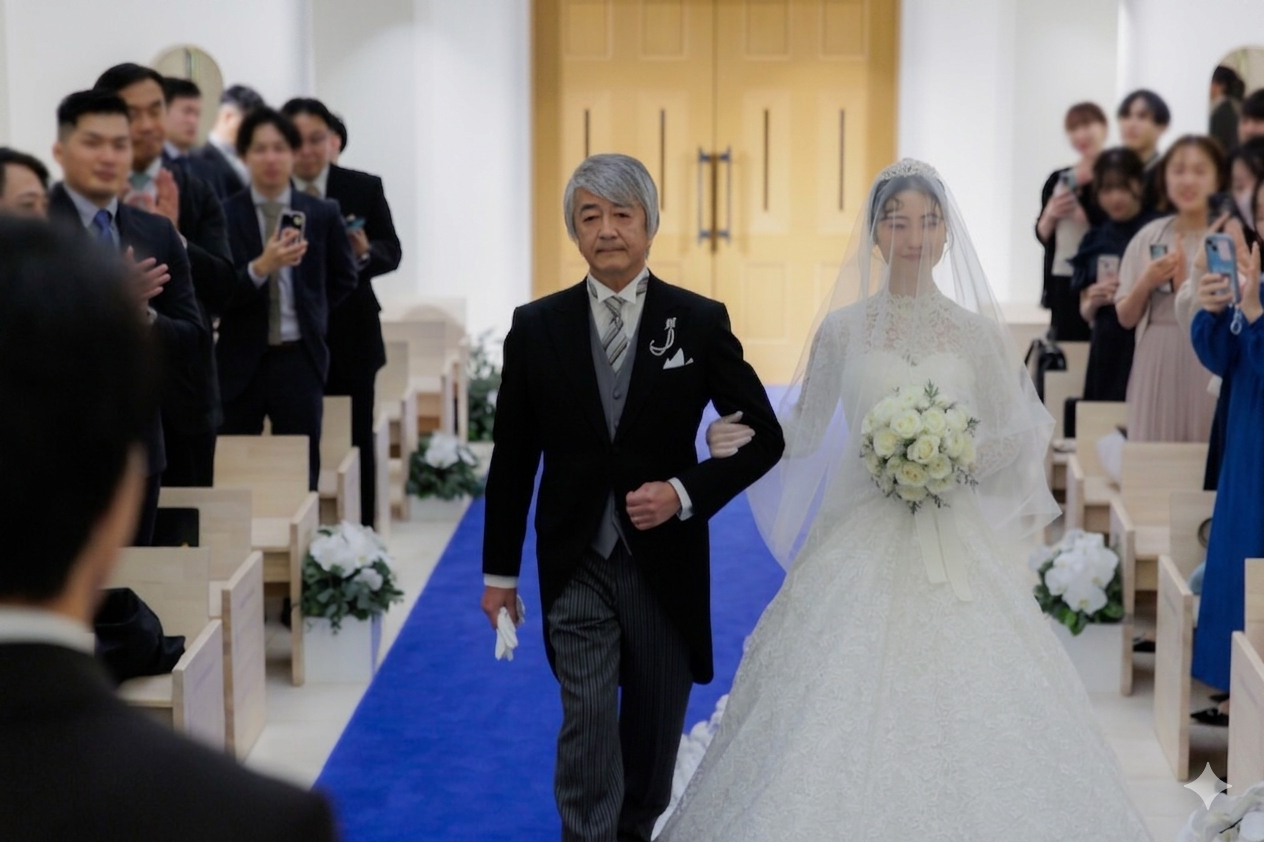
If you feel something here
masaya.higuchi@gmail.com